
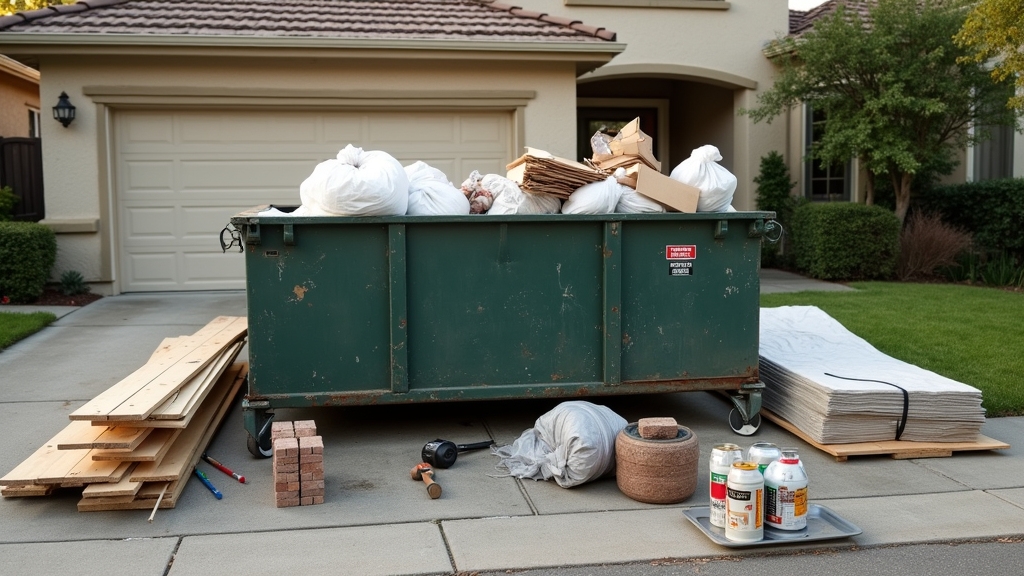
Most dumpsters accept clean household trash, packaging, non-hazardous plastics, small furniture, and bagged food waste. Construction debris like drywall, lumber, brick, and clean concrete is typically allowed. Yard waste such as leaves, grass, and branches is often OK. Bulky items and some appliances are accepted with prep. Prohibited items include liquids, paints, solvents, batteries, electronics, tires, and refrigerant-containing appliances without recovery. Local rules vary and heavier loads face limits. Proper sorting avoids fees and issues, and the next sections explain exactly how.
Key Takeaways
- Most household trash is allowed: packaging, clothing, small furniture, and bagged food waste; recycle clean glass, paper, and plastics when possible.
- Construction debris like concrete, brick, drywall, lumber, and shingles is accepted if inert and free of contaminants; no asbestos or lead-based materials.
- Yard waste such as leaves, grass, branches, and small logs is allowed, but keep out soil, rocks, and trash; check limits on stumps.
- Bulky items and non-refrigerated appliances are typically okay; refrigerant-containing appliances need certified refrigerant removal with proof before disposal.
- Prohibited items include liquids, paints, solvents, batteries, electronics, tires, medical sharps, and automotive fluids; use designated recycling or hazardous waste programs.
Household Trash and General Debris
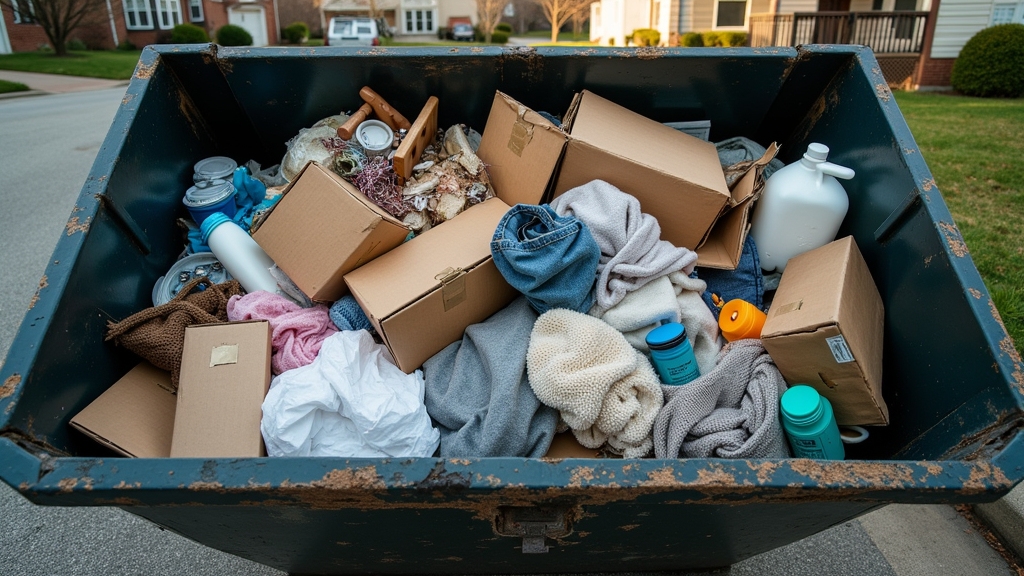
Most everyday household trash and general debris can go in a standard dumpster, including packaging, old clothing, non-hazardous plastics, broken toys, small furniture, and non-electronic household items.
These are typically categorized as general waste and pose minimal disposal concerns when clean and dry. Food scraps may be accepted, but bagging reduces odors and pests. Glass, paper, and certain plastics might be better routed to household recycling if local programs accept them, conserving landfill space.
Items to keep out include liquids, paints, solvents, batteries, electronics, tires, and medical sharps, which require designated collection channels.
Yard trimmings may be restricted depending on municipal rules. Mattresses and appliances can require special handling or surcharges.
Local regulations and hauler policies vary, so checking accepted materials and weight limits prevents contamination and extra fees.
Construction and Demolition Materials

Concrete, brick, drywall, lumber, roofing shingles, flooring, and fixtures from remodels generally qualify for construction and demolition (C&D) dumpsters, provided they are inert and free of contaminants.
Most construction waste and demolition debris—such as tile, cabinets, subflooring, and framing—may be loaded if nails and screws remain embedded. Clean concrete and masonry are often accepted at higher weight limits due to recyclability.
Items commonly restricted include materials containing asbestos, lead-based paint, or free liquids.
Adhesives, resins, solvents, and wet paints are prohibited; empty, dried paint cans are usually acceptable. Gypsum drywall is allowed when clean and dry; moldy or saturated wallboard may be rejected.
Treated lumber is typically accepted, but creosote timbers are not. Heavy loads may require dedicated containers, and local regulations determine final eligibility.
Yard Waste and Organic Debris
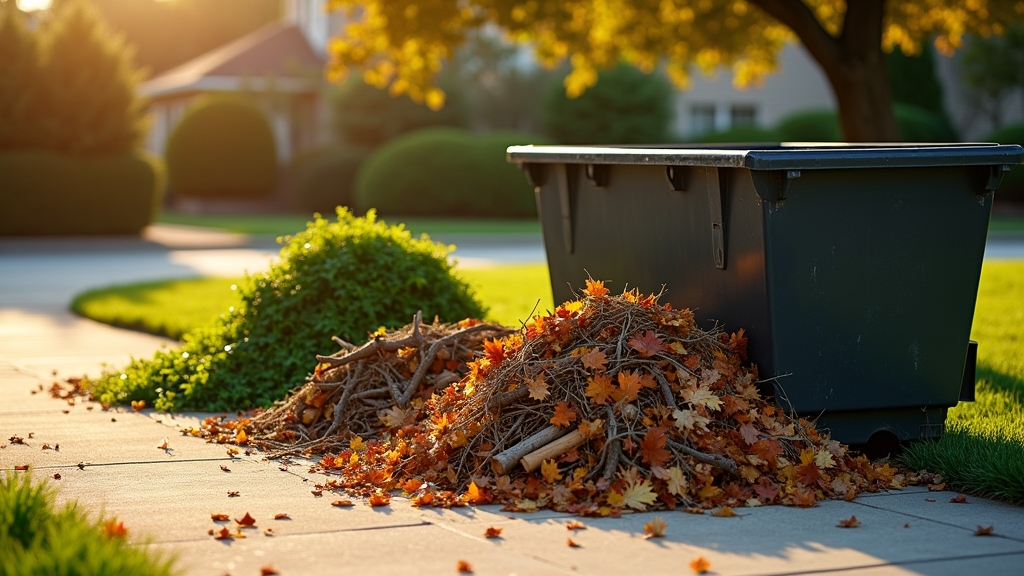
Leaves, grass clippings, branches, brush, and small logs typically qualify for yard waste dumpsters, provided they are free of soil, rocks, and trash.
Many haulers restrict stumps, oversized logs, and mixed loads that include plastic bags or landscape fabric. Fresh yard debris is often accepted in dedicated “green waste” bins, which are processed for mulch or compost.
Local rules vary, so users should confirm acceptable species, diameter limits, and seasonal pickup schedules.
If a dumpster is unavailable, composting options may offer a better fit, especially for leaves and grass clippings that break down quickly.
Diseased plants, invasive species, or pesticide-treated material may require special handling to prevent contamination.
Keeping loads dry and loosely packed helps reduce weight, fees, and processing issues.
Furniture, Mattresses, and Bulky Items
Bulky items like couches, tables, and non-upholstered furniture are often allowed in dumpsters, but size and weight limits may apply.
Mattresses and box springs face stricter rules; many areas require special handling, tagging, or disposal fees, and some bans exist.
Before tossing, viable pieces should be considered for donation or scheduled for recycling programs that accept wood, metal frames, or mattress components.
Acceptable Bulky Materials
Couches, mattresses, and other oversized household items are generally allowed in most roll-off dumpsters, provided they fit within the bin and do not exceed weight limits.
Acceptable bulky item types typically include non-hazardous furniture, box springs, headboards, dressers, bookcases, and empty wardrobes.
Local disposal guidelines focus on size, weight, and the absence of restricted materials like electronics with batteries or upholstered pieces soaked with liquids.
Items should be broken down when possible to maximize space and guarantee safe loading.
1) A torn sectional sofa, cushions removed and frames disassembled, placed flat along the dumpster floor.
2) A wooden dresser with drawers stacked separately to reduce shifting during transport.
3) Rolled area rugs, bundled with twine, positioned along the sidewalls to leave room for other bulk.
Mattress Disposal Rules
While mattresses are often permitted in roll-off dumpsters, their disposal is subject to specific local rules that address sanitation, weight, and recycling mandates.
Many municipalities require mattresses to be sealed in plastic to limit pest transmission and odors. Some communities prohibit mattress disposal in mixed waste or impose surcharges due to labor-intensive processing.
Landfills may cap quantities or require prior approval. Wet mattresses can exceed weight limits and trigger overweight fees.
Haulers frequently request that box springs and mattresses be separated to streamline handling. Tags, bedbugs, or contamination can lead to rejection.
Where landfill bans exist, residents must use designated drop-off sites or approved mattress recycling options.
Before scheduling a dumpster, renters should confirm local ordinances, hauler policies, and whether mattress donation programs or curbside bulk pickup rules affect eligibility and costs.
Donation or Recycling Options
Start by identifying reuse and diversion outlets before loading heavy items into a dumpster. Many furniture, mattresses, and bulky items can bypass disposal through donation centers or specialized recycling programs.
Condition matters: clean, functional items are good candidates for reuse; damaged materials may still yield recyclable components like metal, wood, or textiles. Local ordinances and facility guidelines should be reviewed to prevent contamination and fees.
- Furniture: Solid wood and metal pieces are often accepted by donation centers; broken items can be directed to recycling programs that process lumber, hardware, and scrap metal.
- Mattresses: Certified mattress recycling programs separate foam, fiber, wood, and steel; lightly used units may be accepted by select charities.
- Bulky items: Appliances, exercise equipment, and shelving often qualify for pick-up, drop-off, or material-specific recycling.
Appliances and White Goods
Appliances and white goods are partly acceptable in dumpsters, depending on type and condition.
Small electrics and non-refrigerated household appliances are typically allowed once cords and loose parts are secured.
Units containing refrigerants—such as refrigerators, freezers, and ACs—are restricted until Freon is professionally evacuated and documented.
Allowed Household Appliances
Although regulations vary by locality and hauler, many household appliances—often called white goods—can go in a dumpster once they are properly prepared.
Preparation typically means removing loose parts, draining oils or water, cutting power cords when required, and confirming acceptance with the rental provider. Small and non-refrigerated units are the most straightforward.
Residents often compare costs between recycling appliances at drop-off centers and appliance disposal through a dumpster to choose the best option for volume, timing, and budget.
1) A dented microwave and toaster oven, unplugged and wiped clean, rest beside a roll-off bin awaiting loading.
2) A laundry pair—washer and electric dryer—secured with straps, doors taped shut to prevent hazards.
3) A rusted electric range, racks removed, sits on a dolly for safe transport to the dumpster.
Restricted Refrigerants and Freon
Certain cooling appliances are tightly regulated because they contain refrigerants such as Freon (CFCs/HCFCs) or HFCs, which cannot go in a dumpster unless the refrigerant is professionally recovered and documented. Under federal freon regulations (EPA Section 608), certified technicians must evacuate and capture refrigerant before disposal. Labels or paperwork should verify recovery. Without proof, dumpsters and transfer stations will reject items like refrigerators, freezers, window A/C units, and dehumidifiers.
| Item | Action |
| Refrigerator/Freezer | Arrange certified refrigerant disposal and obtain receipt |
| Window A/C | Remove unit only after documented recovery |
| Dehumidifier | Deliver to approved drop-off with proof |
Local rules may add fees or scheduling. Metal shells can often be recycled after recovery. Keep lines intact to prevent leaks, and never vent refrigerant.
Electronics and E-Waste
While a dumpster may seem like a catch-all for household cleanouts, electronics and e-waste require special handling due to hazardous materials and recycling regulations.
Items like TVs, computers, phones, printers, and cables often contain circuit boards, batteries, and metals that should not enter landfill streams. Responsible electronic disposal directs these materials to certified e-waste recycling programs, where components are safely harvested and reused, and sensitive data can be managed appropriately.
1) A homeowner sorts laptops, tablets, and cords into a box labeled “e waste recycling,” preparing for a municipal drop-off day.
2) A small office stacks outdated monitors on a pallet for pickup by a certified electronic disposal vendor.
3) A student removes a swollen lithium battery from an old phone and delivers it to a retailer take-back counter.
Hazardous Materials and Prohibited Chemicals
How do hazardous materials end up in dumpsters despite clear bans? Confusion over labels, rushed cleanouts, and lack of local guidance lead to mistakes.
Paint thinners, solvents, pesticides, pool chemicals, propane cylinders, mercury-containing items, and fluorescent lamps are typical examples. These materials can ignite, corrode containers, release toxic fumes, or contaminate soil and water if landfilled or compacted.
Proper chemical disposal depends on identifying contents, reading product Safety Data Sheets, and following municipal hazardous waste programs. Many communities hold drop-off days or maintain year-round facilities for household quantities.
Containers should remain sealed, upright, and clearly labeled; mixing chemicals is unsafe. Businesses face stricter rules and must use permitted transporters and manifests.
When uncertain, residents should contact local recycling or public works for guidance before discarding.
Tires, Batteries, and Automotive Items
Many automotive castoffs seem rugged, but tires, batteries, and related car parts are often restricted or handled separately from regular dumpsters.
Facilities limit them because they can damage equipment, harbor pests, or leach hazardous substances. Tires are typically banned from mixed loads; tire disposal usually requires drop-off at a tire retailer or a designated recycling center.
Lead-acid and lithium batteries demand battery recycling through approved programs to prevent fires and contamination. Fluids, filters, and airbag components also face special handling due to ignition and toxicity risks.
- Tires: bulky, flammable, and regulated; use tire disposal sites or retailer take-backs.
- Batteries: corrosive or fire-prone; route to certified battery recycling locations.
- Automotive fluids and parts: oils, coolant, filters, airbags—direct to hazardous or specialty collection points.
Tips to Avoid Fees and Stay Compliant
After separating items like tires, batteries, and automotive fluids for proper drop-off, attention shifts to avoiding penalties on regular dumpster use.
Clear labels from the hauler outline accepted materials, weight limits, and prohibited items; reading them first prevents costly mistakes. Good dumpster etiquette starts with keeping lids closed, distributing weight evenly, and never overfilling past the rim.
Read hauler labels first. Keep lids closed, weight balanced, and never fill past the rim.
Bag loose debris to reduce windblown litter and contamination.
Compliance tips include confirming local rules on electronics, appliances, mattresses, and yard waste, as these vary by jurisdiction. Use construction or inert-only bins for concrete, brick, or dirt to avoid mixed-load surcharges.
Keep hazardous liquids, paint, and propane cylinders out entirely. Schedule timely pickups to prevent overflow, and place the container on permitted surfaces, avoiding blocked sidewalks, hydrants, or right-of-way conflicts.
Frequently Asked Questions
How Do Seasonal Dumpster Rental Prices Vary by Region?
Seasonal dumpster rental prices vary by region due to differing seasonal demand, landfill fees, labor costs, and weather impacts. Regional pricing rises during peak construction or cleanup seasons, with coastal, urban, and tourism-heavy areas experiencing sharper surges than rural markets.
Are There Discounts for Long-Term Dumpster Rentals?
Yes, many providers offer long term discounts for extended dumpster rentals. Pricing depends on duration, size, and local demand, often formalized in rental agreements. Customers should request rate tiers, pickup schedules, overage policies, and early-termination terms to optimize savings.
Can Homeowners Associations Restrict Dumpster Placement or Usage?
Yes, homeowners associations can restrict dumpster placement or usage. HOA policies and local dumpster regulations may govern size, location, screening, time limits, permits, and noise. Residents should review covenants, seek approvals, and coordinate schedules to avoid violations and fines.
What Accessibility Accommodations Exist for Renters With Mobility Limitations?
Renters with mobility limitations can request accessible housing features: step-free entries, wider doors, grab bars, lowered countertops, roll-in showers, reserved parking, visual/doorbell alerts, and service animal allowances. Landlords must permit reasonable modifications and accommodations, including mobility aids storage and charging, with feasible cost-sharing or restoration.
How Is Dumpster Waste Tracked for Sustainability Reporting?
Dumpster waste is tracked through hauler weigh tickets, RFID-enabled bins, and route data, then aggregated into dashboards. Audits classify materials, calculate diversion rates, and feed sustainability metrics like landfill avoidance, greenhouse gas reductions, contamination percentages, and verified waste tracking compliance for reporting.
Final Thoughts
Knowing what can and can’t go in a dumpster keeps projects safe, compliant, and on budget. Sort everyday trash, C&D debris, and yard waste correctly; keep hazardous items out; and verify local rules and weight limits before loading. A little planning—right container, right materials, right placement—prevents contamination, surprise fees, and delays.
If you want the easy button, Sterling Heights Dumpster Rental can help you match the bin to your debris, explain accepted items, and schedule smooth delivery/pickup. From roll-off rentals for remodels to residential dumpsters for cleanouts, commercial and construction containers for heavier jobs, plus front-load and rubber-wheel dumpsters for space-sensitive sites—we’ve got the right option.
Ready to dispose responsibly and avoid fees? Get guidance on acceptable materials and size selection with Sterling Heights Dumpster Rental. Contact us today for a fast quote and hassle-free scheduling.