
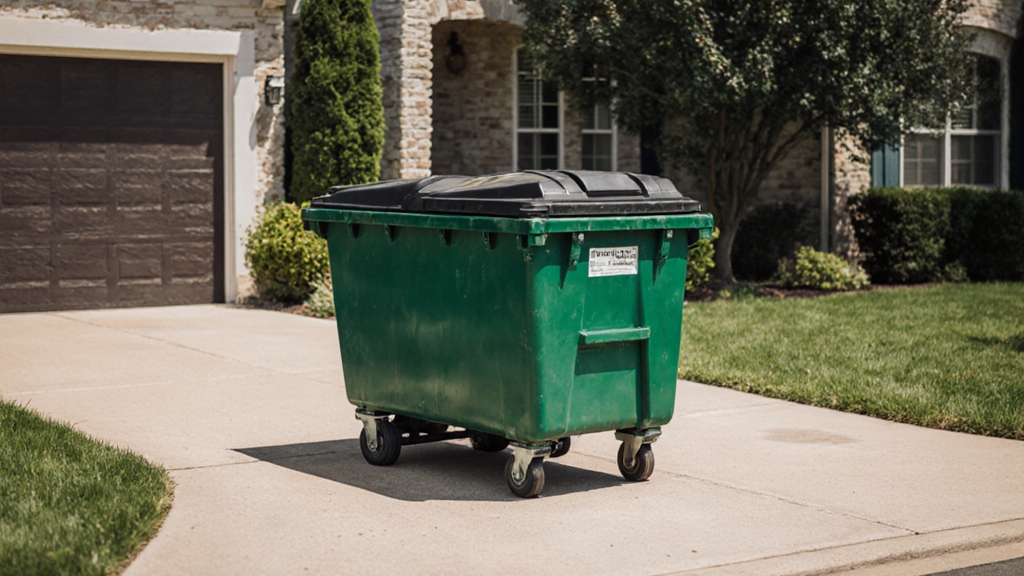
When you’re planning a project that requires a dumpster, protecting your driveway should be a top priority. A heavy dumpster can cause serious damage if you’re not careful. Before you jump in, it’s vital to assess your driveway’s condition and think about how to safeguard it. Understanding these steps can save you from costly repairs down the line. But what specific measures can you take to guarantee your driveway remains intact?
Key Takeaways
- Assess the driveway’s condition for cracks and surface integrity before scheduling a dumpster rental to prevent damage.
- Use plywood boards or heavy-duty tarps under the dumpster to protect the driveway from weight and potential stress.
- Schedule dumpster delivery and pick-up to minimize driveway occupancy and avoid disruption during your project.
- Conduct daily inspections of the driveway for signs of damage or stress, and maintain clear pathways around the dumpster.
- Implement a cleanup plan to keep the worksite tidy, reducing debris and spills around the dumpster area.
Why Protecting Your Driveway During a Dumpster Rental Is Essential

When you’re getting a dumpster rental, protecting your driveway is essential because it can save you from costly repairs down the line.
Driveway damage often occurs when heavy equipment or materials are placed on it, especially if it’s a concrete or asphalt surface. To avoid this, consider using wooden planks or mats to distribute the weight and minimize stress on your driveway.
Driveway damage can result from heavy materials; using wooden planks or mats helps distribute weight and protects your surface.
Additionally, think about the location of the dumpster; placing it on a flat surface away from any edges will help reduce the risk of damage.
Always check with your rental company for any specific recommendations or requirements they might’ve regarding driveway protection.
By taking these rental considerations seriously, you can guarantee your driveway remains intact throughout your project, saving you the hassle and expense of fixing it later.
Protecting your driveway isn’t just smart; it’s a necessary step in your dumpster rental process.
How to Assess Your Driveway’s Condition Before the Project

How can you guarantee your driveway is ready for the weight of a dumpster? Before you schedule your rental, performing thorough driveway inspections is vital.
Here’s how to assess its condition and spot potential damage indicators:
- Cracks: Look for any visible cracks. Even small ones can worsen under heavy weight.
- Potholes: Check for potholes that might lead to further damage when stressed.
- Surface Integrity: Examine the surface for flaking or crumbling materials, which weaken its structure.
- Drainage Issues: Confirm water drains properly; standing water can erode the driveway and create weak spots.
Choose the Right Dumpster Placement to Protect Your Driveway
When placing your dumpster, you need to take into account your driveway’s weight limitations to avoid damage.
Make sure you select a paved area that can handle the load without cracking or sinking.
This careful placement will help keep your driveway in great shape throughout your project.
Assess Weight Limitations
Although you might be enthusiastic to start your project, evaluating weight limitations is essential for choosing the right dumpster placement to protect your driveway.
Understanding weight distribution can help you avoid damaging your driveway. Here are four key considerations to keep in mind:
- Know Your Driveway Limits: Check the specifications of your driveway material to understand its weight capacity.
- Choose a Suitable Dumpster Size: Select a dumpster that won’t exceed your driveway’s weight limits when full.
- Distribute Weight Evenly: Place the dumpster in a way that distributes the weight across a larger area of the driveway.
- Avoid Overloading: Keep track of the materials you’re disposing of to prevent overloading the dumpster.
Taking these steps will help keep your driveway safe and intact during your project.
Select Paved Areas
Choosing the right spot for your dumpster is essential to protecting your driveway. Start by considering paved area selection.
Look for a sturdy surface that can handle the dumpster’s weight, especially if your driveway materials are softer, like asphalt or gravel. Avoid placing the dumpster on areas that are prone to cracking or sinking. Instead, opt for well-maintained concrete sections or other durable surfaces.
Make certain you’re not blocking access to your home or utilities while also allowing enough clearance for the dumpster truck. By carefully selecting a suitable paved area, you’ll minimize the risk of damage and keep your driveway in great shape throughout your project.
Always prioritize a solid foundation for your dumpster placement.
Utilize Protective Materials for Driveway Shielding
To protect your driveway during a project, consider using plywood boards or heavy-duty tarps.
These materials create a barrier against damage from heavy equipment and debris.
Use Plywood Boards
When you’re planning a project that involves a dumpster on your driveway, using plywood boards can be a smart move to protect your surface. Here’s how to effectively implement plywood:
- Choose the Right Plywood Thickness: Opt for at least ¾ inch thick plywood to withstand the dumpster’s weight.
- Measure Your Driveway: Assess the area where the dumpster will sit to determine how many boards you’ll need.
- Plywood Placement: Lay the boards flat on the driveway, ensuring they cover a wide area to distribute the weight.
- Secure the Boards: Use straps or weights to keep the plywood in place, preventing movement during loading and unloading.
Employ Heavy-Duty Tarps
While using a dumpster on your driveway can be convenient, it can also lead to potential damage if you’re not careful. One effective way to protect your driveway is by employing heavy-duty tarps during your project. These heavy-duty materials act as a barrier, preventing scratches and dents caused by the weight of the dumpster or debris.
For tarp installation, simply lay the tarp flat on your driveway before the dumpster arrives, ensuring it covers the entire area where the dumpster will sit. Secure the edges with weights or stakes to keep it in place.
This added layer of protection can save you from costly repairs, allowing you to focus on your project without worrying about your driveway’s condition.
How to Effectively Communicate With Your Dumpster Rental Company
How can you guarantee a smooth experience with your dumpster rental company? Effective communication is key. By implementing strong communication strategies, you can assure that all your needs are met and the rental guidelines are followed.
Here are four tips to help you communicate effectively:
- Be Clear About Your Needs: Specify the type and size of the dumpster you require.
- Ask Questions: Don’t hesitate to inquire about rental guidelines, delivery times, and pick-up procedures.
- Provide Accurate Information: Share details about your project, including location and access points for the dumpster.
- Stay in Touch: Keep the lines of communication open throughout your rental period.
Manage Weight Limits and Distribute Loads Properly
Effective communication with your dumpster rental company sets the stage for a successful project, but managing weight limits and distributing loads properly is just as important.
Overloading your dumpster can lead to extra fees and potential damage to your driveway. You should always check the weight limits specified by the rental company and plan your disposal accordingly.
Overloading your dumpster can incur extra fees and damage your driveway, so always check weight limits before disposal.
To guarantee proper load distribution, place heavier items at the bottom and lighter ones on top. This technique helps maintain balance, reducing the risk of tipping or shifting during transport.
It’s also essential to avoid mixing different types of materials that could affect weight management, like concrete and yard waste.
Schedule Your Dumpster Delivery and Pick-Up for Convenience
When you schedule your dumpster delivery and pick-up, think about your own timetable to make things easier.
This way, you can minimize any disruption to your driveway and keep your project running smoothly.
Planning ahead helps you stay organized and reduces stress.
Plan Around Your Schedule
Although scheduling your dumpster delivery and pick-up might seem like a small detail, it can considerably impact the efficiency of your driveway maintenance project.
To guarantee you maximize your schedule flexibility and keep your project timeline on track, keep the following in mind:
- Assess Your Schedule: Choose days when you’re least busy for dumpster delivery and pick-up.
- Plan for Weather: Check the forecast to avoid scheduling during rain or snow.
- Communicate with the Service: Confirm delivery and pick-up times to avoid surprises.
- Allow for Extra Time: Factor in potential delays to prevent interruptions in your project.
Minimize Driveway Disruption
To minimize disruption to your driveway during maintenance, scheduling your dumpster delivery and pick-up at the right times is vital.
Consider your driveway materials when planning your project. For instance, if you have asphalt, it’s imperative to avoid placing heavy dumpsters on it for extended periods.
Aim to align the dumpster rental duration with your project timeline, ensuring it’s delivered just before you start and picked up immediately after you’re done. This way, you’ll limit the time your driveway is occupied, reducing wear and tear.
Additionally, coordinating with your contractor or project manager can help streamline this process, making sure your driveway remains functional and in good shape while you tackle your home improvement tasks.
Keep an Eye on Your Driveway Throughout the Project
Keeping an eye on your driveway throughout the project is essential for preventing damage and guaranteeing safety. Effective driveway monitoring can save you from costly repairs.
Monitoring your driveway during a project is crucial for avoiding damage and ensuring safety, ultimately saving you from expensive repairs.
Here are four key aspects of project oversight to focus on:
- Positioning: Verify the dumpster is placed on a protective mat or boards to distribute weight evenly and prevent surface damage.
- Regular Checks: Walk by your driveway daily to inspect for any cracks or signs of stress, especially where heavy equipment is used.
- Clear Pathways: Keep the area around the dumpster clear to avoid unnecessary wear and tear on your driveway from vehicles and machinery.
- Communication: If you’re working with contractors, regularly discuss any concerns regarding driveway condition and adjust plans as needed.
Steps to Take If Your Driveway Is Damaged
If you discover damage to your driveway, taking immediate action is vital to prevent further deterioration. Start by evaluating the extent of the damage. Is it a small crack or a larger issue? Depending on your findings, you can decide on the appropriate driveway repair method. Here’s a quick guide to help you.
| Damage Type | Recommended Action | Damage Prevention Tips |
| Small cracks | Fill with sealant | Regular inspections |
| Large cracks | Consider professional help | Seal regularly |
| Potholes | Patch with asphalt | Avoid heavy loads |
| Uneven surface | Level with material | Guarantee proper drainage |
| Surface stains | Clean with appropriate solution | Promptly address spills |
Tips for Maintaining a Clean Worksite Around Your Dumpster
After addressing any damage to your driveway, maintaining a clean worksite around your dumpster is equally important.
Practicing good dumpster etiquette not only helps keep your area tidy but also guarantees safe debris management.
Here are some tips to help you maintain a clean worksite:
- Sort your debris: Separate recyclable materials from general waste to minimize clutter.
- Use a tarp: Lay a tarp around the dumpster to catch any falling debris and simplify cleanup.
- Regularly check the area: Take a few minutes each day to inspect the site for any scattered waste or spills.
- Communicate with your team: Make sure everyone knows the importance of keeping the area clean and follows the plan.
Frequently Asked Questions
What Are the Best Types of Protective Materials for Driveways?
For your driveway, consider using protective coverings like heavy-duty tarps or driveway mats. These materials effectively shield against damage and wear, ensuring your surface remains intact while providing a sturdy base for any activities.
How Do I Know if My Driveway Is Suitable for a Dumpster?
To determine if your driveway’s suitable for a dumpster, conduct a driveway assessment and check its weight capacity. If it’s made of concrete or asphalt and in good condition, it should handle the load well.
Can I Use My Driveway While the Dumpster Is There?
Yes, you can use your driveway while the dumpster’s there, as long as the dumpster placement allows for driveway accessibility. Make certain it’s positioned to avoid blocking your entrance or making it difficult to maneuver your vehicle.
What Should I Do if My Driveway Gets Damaged?
If your driveway gets damaged, start with a damage assessment. Then, consider repair options like patching cracks, resurfacing, or hiring a professional. Addressing the issue promptly can prevent further complications and maintain your driveway’s integrity.
How Can I Prevent Debris From Spilling Onto My Driveway?
To prevent debris from spilling onto your driveway, use debris containment systems like tarps or nets. Position the dumpster carefully and guarantee it’s level to minimize spill prevention issues during loading and unloading.
Final Thoughts
Protecting your driveway during a dumpster rental is essential if you want to avoid unnecessary damage and costly repairs. By evaluating its condition ahead of time, choosing the right placement, using protective materials, managing weight limits, and checking the area regularly, you can keep your surface in great shape while still getting the most out of your dumpster. Staying in close communication with your rental company and addressing any damage quickly will also help guarantee a smoother, safer, and more efficient project from start to finish.
If you’re planning a project in or around Sterling Heights, working with a local expert like Sterling Heights Dumpster Rental makes protecting your driveway much easier. Our team can help you choose the right residential dumpster or roll-off dumpster, advise you on proper placement, and walk you through best practices for driveway protection. Explore our services or learn more about our Sterling Heights dumpster rental options, and when you’re ready to schedule a delivery or ask a question, simply contact us. Sterling Heights Dumpster Rental is here to help you complete your project while keeping your driveway looking its best.