
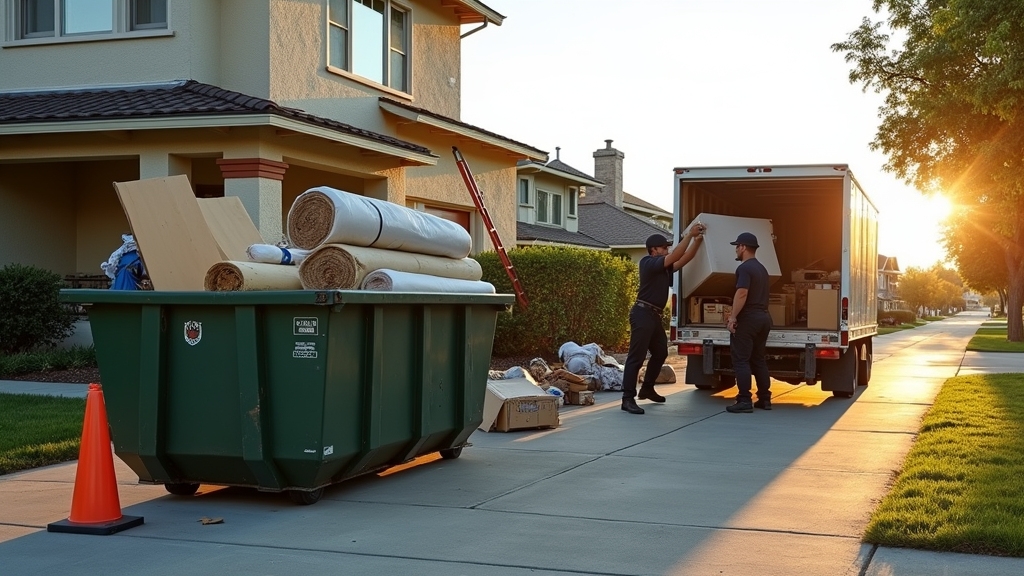
Choosing between dumpster rentals and junk removal depends on project size, timing, budget, and space. Dumpsters suit multi-day renovations and steady debris, offering on-site flexibility and flat-rate pricing with weight limits. Junk removal fits quick, single-visit pickups, priced by truck volume and material type. Permits, HOA rules, and access windows may affect both. Hazardous items need special handling. Dumpsters enable better sorting and recycling; junk services vary by vendor practices. Explore cost scenarios, scheduling tips, and disposal rules next.
Key Takeaways
- Choose dumpster rentals for multi-day projects with steady debris, like renovations; load at your pace and pay flat rates plus potential weight overages.
- Pick junk removal for fast, one-time pickups; crews haul items immediately and pricing is based on truck space and material type.
- Dumpsters offer on-site sorting, improving recycling of clean materials; junk removal recycling depends on vendor practices and routing.
- Consider logistics: permits for street placement, HOA rules, space constraints, and building access can affect both options.
- Budget by project type: dumpsters suit predictable volumes; junk removal is cost-effective for smaller, quick cleanouts or bulky single items.
How Each Option Works
While both services aim to clear unwanted material, they operate differently.
Dumpster rentals provide a container delivered to a site for a set period. Users load debris at their pace, making the dumpster process suitable for ongoing projects like renovations or cleanouts that unfold over days. The provider later hauls the container away, following weight and material rules.
Dumpster rentals offer on-site containers for multi-day projects, loaded at your pace and hauled under weight rules.
Junk removal functions as a scheduled pickup. A crew arrives, assesses volume, and removes items immediately. This is efficient for single-day clearouts, bulky items, or when lifting help is needed. It minimizes user labor and onsite footprint.
Decision points include project duration, desired involvement, space for placement, and material type. Hazardous or restricted items may require special handling in both systems.
Cost Breakdown and Budget Scenarios
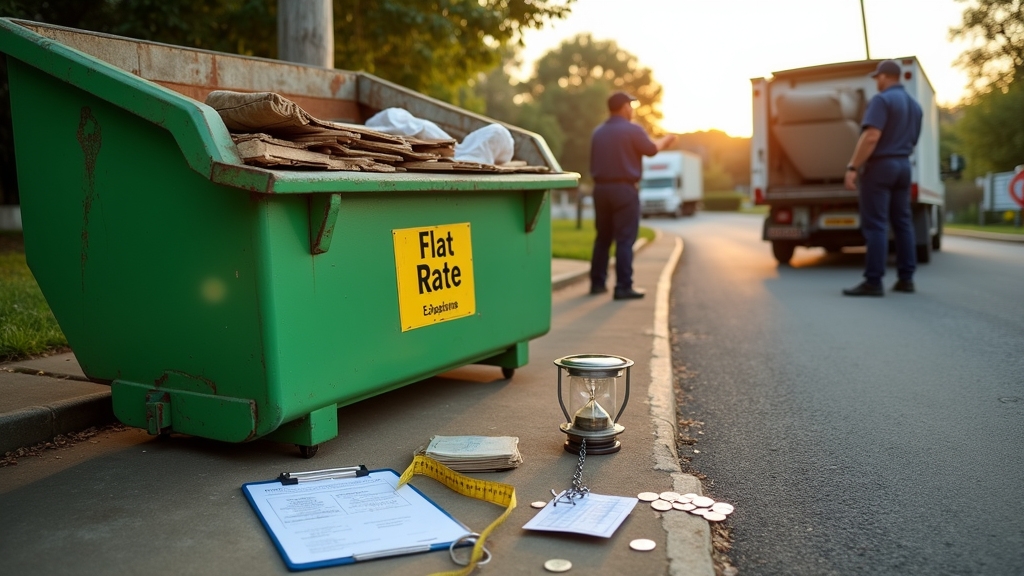
Costs hinge on container size or crew labor, disposal fees, and time. A clear cost comparison shows dumpsters often favor steady, predictable volumes, while junk removal aligns with quick, single-load needs. Dumpsters typically charge a flat rate by size plus overage for weight; junk removal prices by truck fraction and material type. Local tipping fees, distance, and weight limits shift budget implications.
| Scenario | Likely Lower-Cost Choice |
| Garage cleanout, mixed debris, moderate volume | Small dumpster |
| Single couch, a few items | Junk removal crew |
| Renovation with ongoing debris over several days | Medium dumpster |
Budget scenarios: homeowners with multiple rooms benefit from a set dumpster rate, controlling trips and fees. Minimal clutter favors per-load crew pricing. Heavy materials can trigger weight surcharges; verifying tonnage thresholds prevents surprises.
Convenience, Timing, and Scheduling
Although both options remove clutter, their convenience differs sharply: dumpsters offer on-site flexibility for multi-day loading at the user’s pace, whereas junk removal provides a scheduled crew that clears items in a single visit.
For timing, dumpsters suit projects that unfold over several days or produce debris intermittently. Users can sort, stage, and load as time allows, emphasizing scheduling flexibility without coordinating crew calendars.
Junk removal prioritizes speed: a short appointment window, swift labor, and immediate haul-away.
Key convenience factors include setup and presence. Dumpsters require placement space and adherence to pickup dates; extensions are possible but must be arranged.
Junk removal requires only access and a firm appointment, with minimal disruption. Weather, HOA rules, and site access can also influence scheduling efficiency.
Best Fit by Project Type
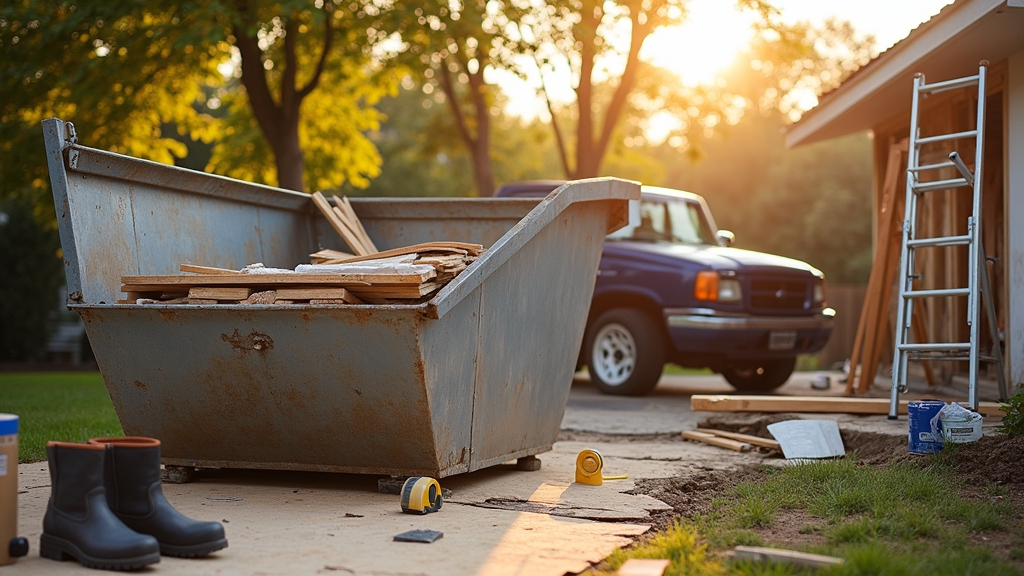
Choosing between dumpsters and junk removal naturally follows from scheduling needs to the nature of the work itself.
For a home renovation with steady waste over days or weeks, a dumpster suits phased demolition and frequent tossing. It contains bulky materials and lets work continue without interruptions.
For yard cleanup, the choice hinges on volume: a dumpster works for large branches and repeated trimming, while junk removal fits a single, quick haul of bagged leaves or a fallen limb.
Office decluttering often favors junk removal for rapid, one-time pickup of furniture and electronics; a small dumpster can help during multi-day file purges.
Projects generating heavy construction debris—drywall, flooring, roofing, or concrete—typically align with dumpsters, ensuring safe staging and predictable disposal as work progresses.
What You Can and Can’t Dispose Of
Many services accept common household debris like furniture, boxes, and non-contaminated construction scraps, but limits vary.
Hazardous materials—such as paints, solvents, batteries, tires, and electronics—are typically prohibited and may require certified disposal.
Some items need special handling or fees, including appliances with refrigerants, mattresses, and heavy materials like concrete.
Household Debris Allowed
Clarity helps when sorting household debris for disposal: standard dumpster rentals typically accept nonhazardous items such as furniture, mattresses, clothing, toys, cardboard, plastics, wood, drywall, flooring, and small appliances without refrigerants.
This overview focuses on acceptable household items and practical disposal guidelines so readers can plan confidently. Clean-outs, light renovations, and seasonal decluttering usually fit within these parameters.
- Furniture and textiles: sofas, chairs, tables, bed frames, mattresses, rugs, curtains, and linens.
- Packaging and paper: cardboard boxes, mixed paper, magazines, junk mail, and flattened corrugate.
- Construction offcuts: trim, lumber scraps, drywall pieces, tile, laminate, and carpet remnants.
- Everyday non-food waste: plastic containers, toys, broken dishware, and small non-refrigerant appliances.
Loads should be level with the dumpster rim, free of liquids, and sorted to prevent overage fees.
Check local weight limits and accepted materials.
Prohibited Hazardous Materials
Hazards define the line between acceptable debris and banned waste in both dumpster rentals and junk removal services. Both models prohibit hazardous waste because it threatens people, equipment, and the environment, and because strict disposal regulations apply.
Commonly banned materials include paints and solvents, pesticides, automotive fluids, batteries, fluorescent bulbs, propane tanks, pressurized cylinders, medical sharps, contaminated soil, asbestos, and electronics with lead or mercury.
Cleaning chemicals and pool chemicals also fall under restrictions due to reactivity or toxicity.
Contractors and homeowners should ask providers for a written list of exclusions and verify local rules, since disposal regulations vary by jurisdiction.
When in doubt, they should contact a municipal household hazardous waste program or licensed facility to guarantee compliant, safe handling and avoid fines or service refusal.
Special Item Handling
While both services handle general debris efficiently, special items require case-by-case treatment that hinges on weight, size, recyclability, and safety rules.
Special item disposal policies vary by municipality and provider, so informed selection matters.
Dumpster rentals suit predictable volumes and staging time; junk removal excels when delicate item handling or stair carries are involved.
- Appliances and electronics: Many dumpsters ban refrigerants and batteries; junk removal crews often extract, document, and route items to e‑waste or metal recycling.
- Mattresses and furniture: Dumpsters accept bulk, but added fees or local bans may apply; crews can dismantle and donate when possible.
- Concrete, dirt, and roofing: Heavy debris needs dedicated dumpster types and strict weight limits.
- Pianos, safes, and gym equipment: Oversized pieces require lift equipment, permits, and liability coverage; crews coordinate safe, insured removal.
Space, Permits, and Site Logistics
How much room is available on-site often dictates whether a dumpster or a junk removal crew makes more sense.
Limited driveways, narrow alleys, and overhead wires affect site accessibility and the safe placement of containers. A driveway or private lot usually accommodates a roll-off dumpster; tight urban streets may favor a crew that loads quickly and leaves.
Placement also intersects with permit requirements. Many municipalities require a permit for dumpsters placed on public streets or sidewalks, with time limits and reflective barriers specified.
Private property typically avoids permits, though HOA rules may apply. Access windows, building schedules, and elevator reservations further shape logistics in multifamily or commercial settings.
Evaluate truck turning radius, weight limits, and surface protection to prevent damage and guarantee efficient service coordination.
Environmental Impact and Recycling Options
Site constraints do more than shape logistics; they also influence how debris is handled and where it ends up.
Dumpster rentals typically allow on-site sorting, which can improve recycling initiatives when users separate metals, cardboard, and clean wood.
Junk removal services, by contrast, rely on company protocols and partnerships to route materials to transfer stations or specialized facilities. The deciding factor is not the container, but the rigor of waste management practices and access to local processors.
- Source separation: Dedicated dumpster sections can boost diversion rates.
- Vendor policies: Ask junk haulers for documented recycling initiatives and tonnage reports.
- Material streams: Clean loads of concrete, shingles, or yard waste are easier to recycle.
- Regulatory context: Municipal mandates and fees shape routing, making transparency and tracking essential.
Frequently Asked Questions
How Do Insurance and Liability Differ Between Dumpsters and Junk Removal Services?
Insurance and liability differ because dumpster rentals often shift Insurance coverage and liability concerns to the renter for on-site incidents, while junk removal services typically carry broader company Insurance coverage, reducing customer liability concerns for worker injuries and accidental property damage.
What Safety Precautions Should I Follow When Loading a Dumpster?
They should prioritize stable footing, proper safety gear, and balanced loading techniques. Heavy items go first, weight distributed evenly, edges kept low. Avoid overfilling, sharp protrusions, and hazardous materials. Maintain clear pathways, use spotters when necessary, and lift with legs.
How Do HOA or Neighborhood Rules Affect Service Choice Beyond Permits?
HOA restrictions and neighborhood guidelines influence service choice by dictating placement, hours, noise, truck access, container appearance, and duration. They may require vendor approval, insurance, smaller containers, driveway protection, or discreet curbside pickups, shaping feasibility, costs, and scheduling beyond municipal permits.
Can I Combine Both Services for a Single Project Effectively?
Yes, both can be combined effectively. Service integration can stage a dumpster for ongoing debris while scheduling targeted junk removal for bulky or restricted items, boosting project efficiency, minimizing downtime, controlling costs, and satisfying timelines and neighborhood constraints.
How Do Service Providers Handle Data-Sensitive Item Disposal?
They typically use certified destruction processes, ensuring data security and item confidentiality. Providers offer chain-of-custody documentation, locked containers, vetted staff, on-site or off-site shredding, serialized tracking, certificates of destruction, and compliance with regulations like HIPAA, FACTA, and GDPR to reassure clients.
Final Thoughts
Choosing between dumpster rentals and junk removal ultimately depends on your project’s timeline, debris volume, and desired convenience. Dumpsters provide flexibility for ongoing renovations, DIY remodels, and multi-day cleanouts, while junk removal offers fast, single-visit service for smaller or immediate loads. The right option saves time, money, and unnecessary stress.
If you’re planning a project in the Sterling Heights area, Sterling Heights Dumpster Rental makes the choice easy. We provide reliable, affordable roll-off dumpsters for all project sizes—from residential cleanouts to commercial and construction jobs. For tighter spaces or short-term needs, our rubber-wheel and front-load dumpsters offer convenience without damaging driveways.
Whether you’re decluttering your home, renovating your office, or managing a construction site, our local team ensures on-time delivery, clear communication, and transparent pricing—no surprises, no hidden fees.
Make cleanup simple. Visit our Sterling Heights page to explore dumpster options or contact us today for a free quote and expert guidance on choosing the best fit for your project.