Dumpster Rental / Waste Management

What Happens to Waste After It Leaves the Dumpster?

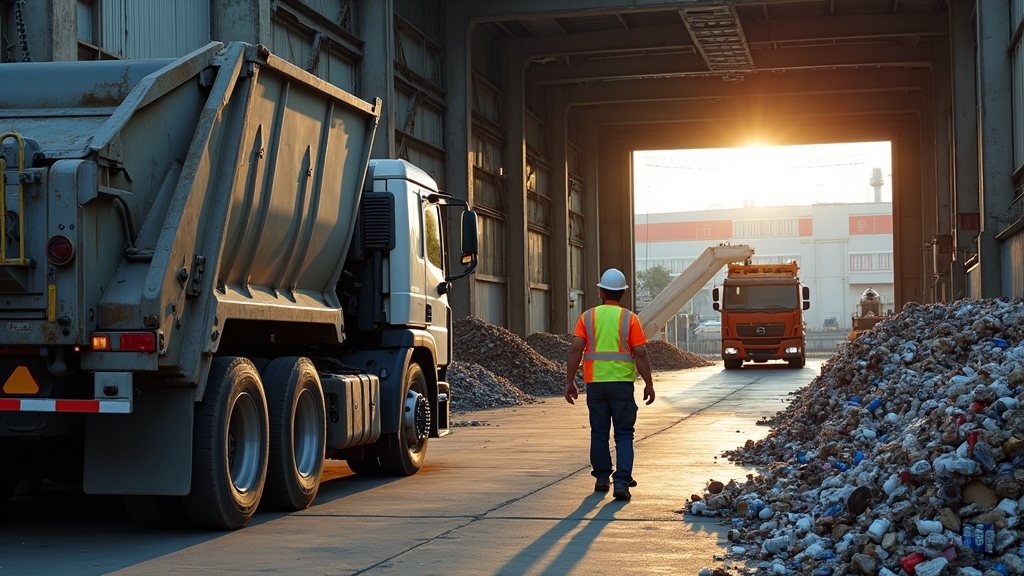
After pickup, trucks weigh loads at the scale house for official tracking. Waste often goes to a transfer station, then to facilities where recyclables are mechanically sorted and contaminants removed. Organics may be composted or anaerobically digested to produce compost, biogas, and nutrient-rich digestate. Some material becomes energy in waste-to-energy plants. The remainder is placed …

What Happens to Waste After It Leaves the Dumpster? Read More »
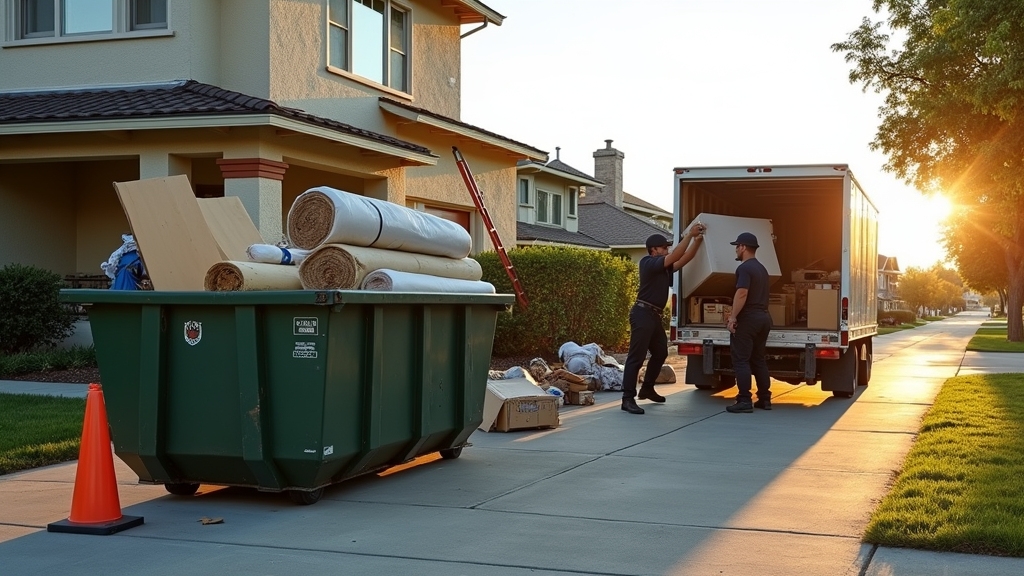
Dumpster Rentals vs. Junk Removal: What’s Best for You?

Choosing between dumpster rentals and junk removal depends on project size, timing, budget, and space. Dumpsters suit multi-day renovations and steady debris, offering on-site flexibility and flat-rate pricing with weight limits. Junk removal fits quick, single-visit pickups, priced by truck volume and material type. Permits, HOA rules, and access windows may affect both. Hazardous items …

Dumpster Rentals vs. Junk Removal: What’s Best for You? Read More »

What Can and Cannot Go in a Dumpster

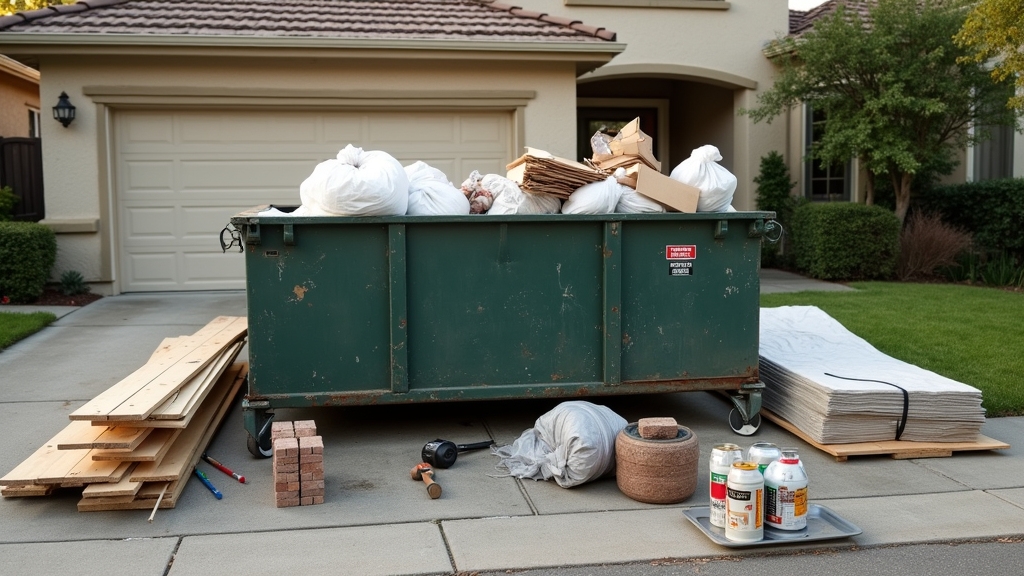
Most dumpsters accept clean household trash, packaging, non-hazardous plastics, small furniture, and bagged food waste. Construction debris like drywall, lumber, brick, and clean concrete is typically allowed. Yard waste such as leaves, grass, and branches is often OK. Bulky items and some appliances are accepted with prep. Prohibited items include liquids, paints, solvents, batteries, electronics, …

What Can and Cannot Go in a Dumpster Read More »

Understanding Dumpster Sizes: How to Pick the Right One

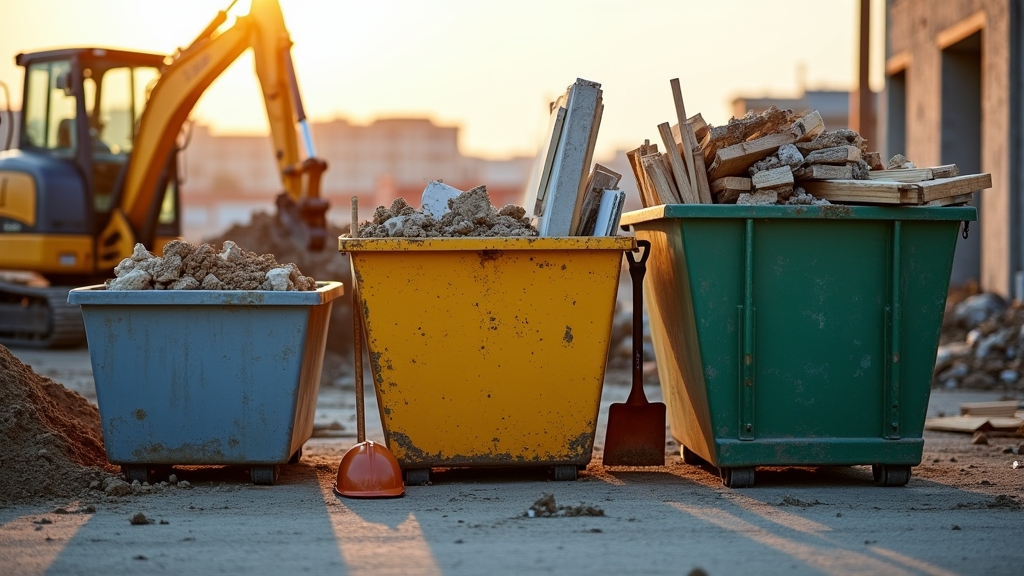
Dumpster sizes are measured in cubic yards of interior volume, not weight. Common options include 10-yard for dirt or small remodels, 20-yard for lumber and mid-size projects, and 40-yard for large construction debris. Estimate volume by project: 3–5 cubic yards per room, 10–15 for kitchens or baths, and about 1–1.5 per 100 sq ft of …

Understanding Dumpster Sizes: How to Pick the Right One Read More »

Why Proper Waste Disposal Matters for the Environment

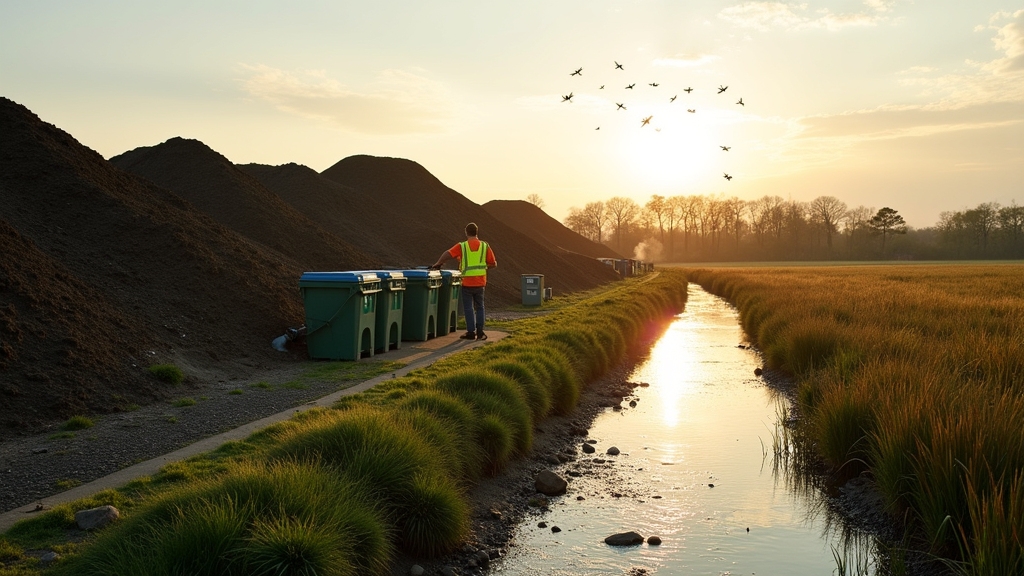
Proper waste disposal protects air, water, soil, and climate. It prevents methane from dumps, limits toxins in the air, and reduces leachate carrying metals and pathogens into waterways. Recycling and composting conserve resources, save energy, cut greenhouse gases, and improve soil health. Sorting correctly, avoiding contamination, and choosing reusable items reduce plastic pollution and litter. …

Why Proper Waste Disposal Matters for the Environment Read More »

Dumpster Rental Sterling Heights, MI